mixed-media exhibition / Nova galerija, Belgrade, Serbia / 2023
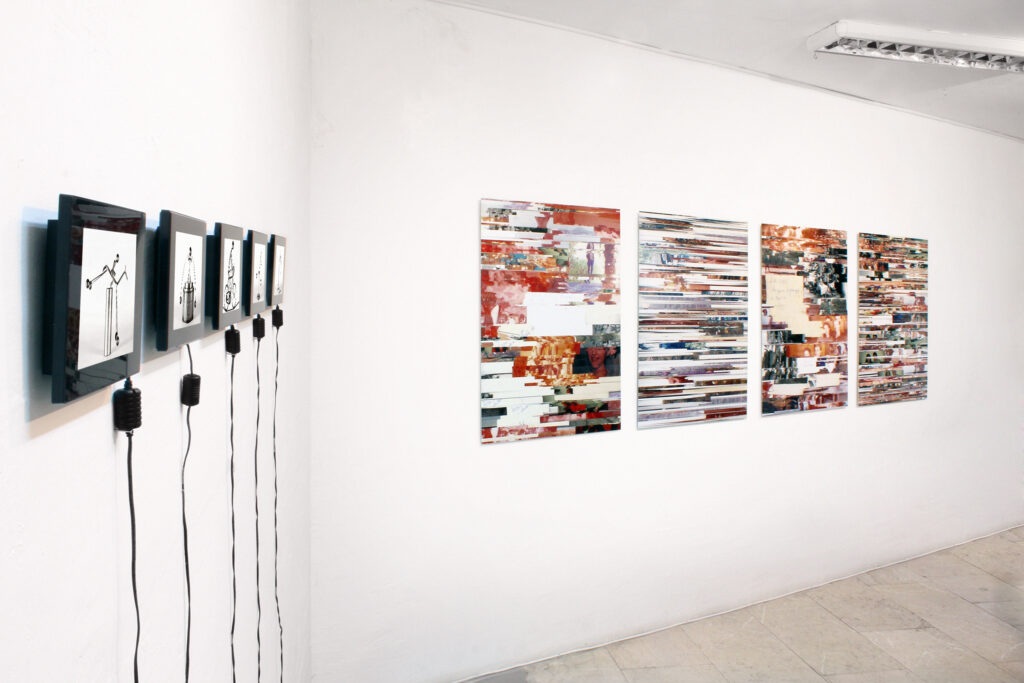
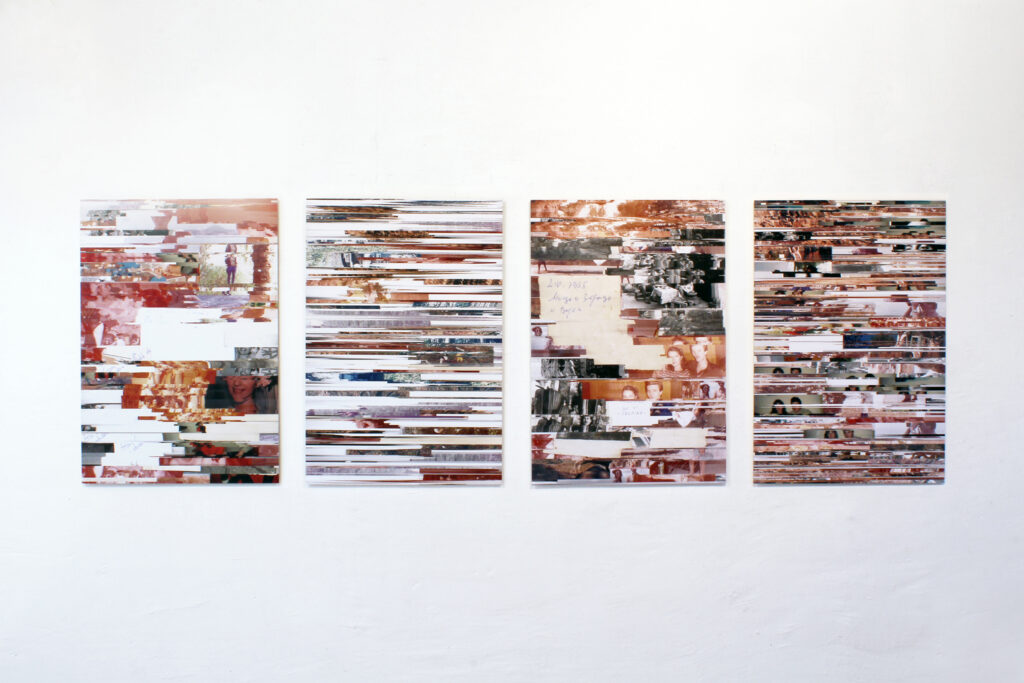
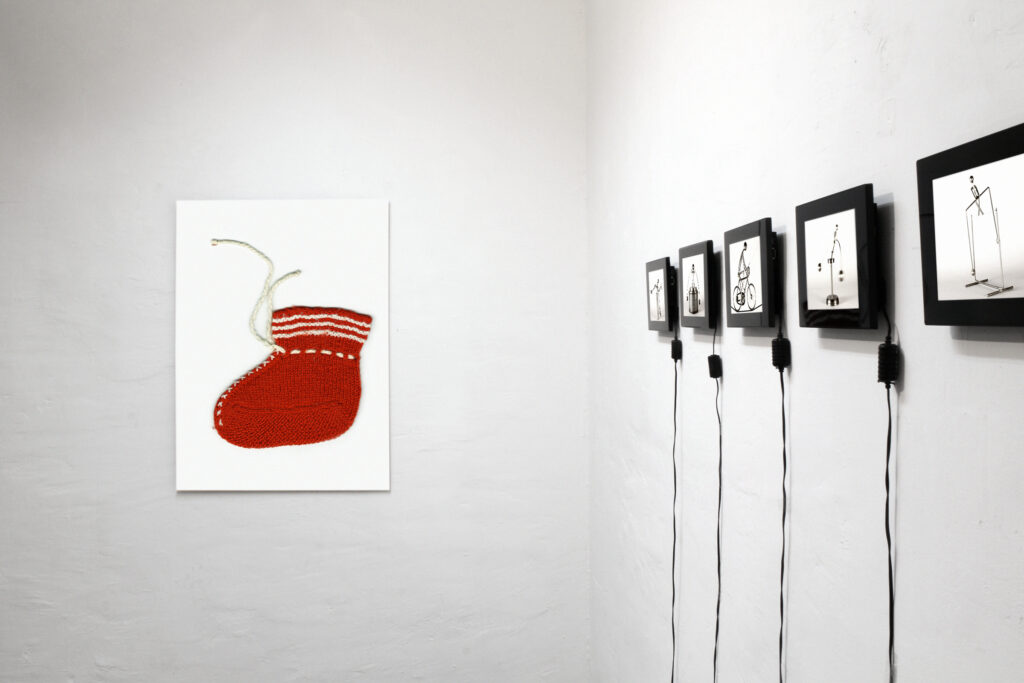
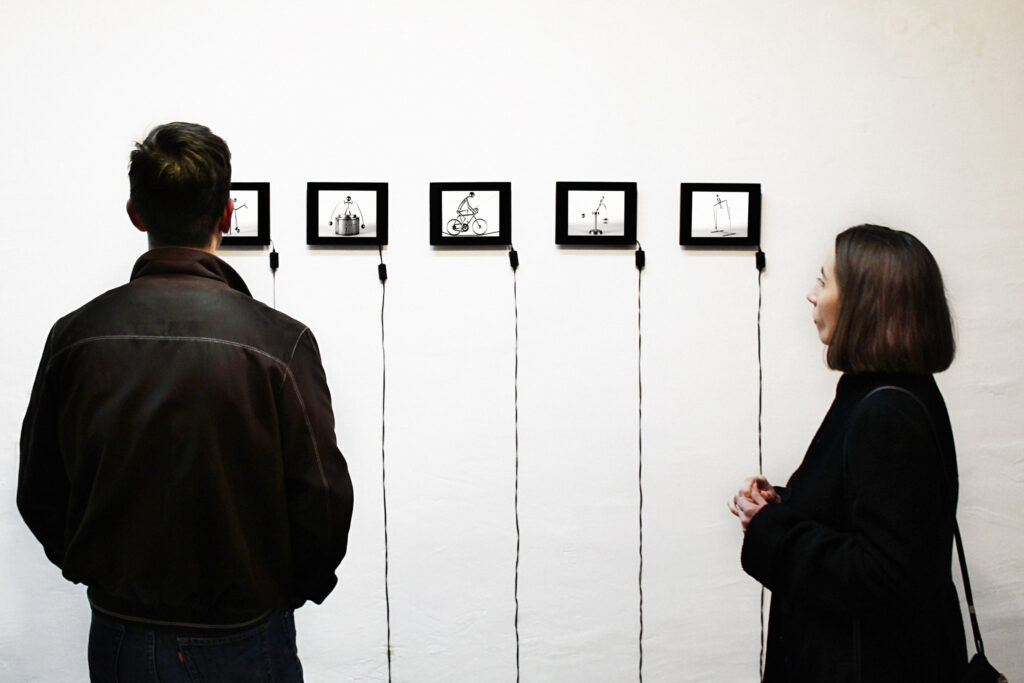
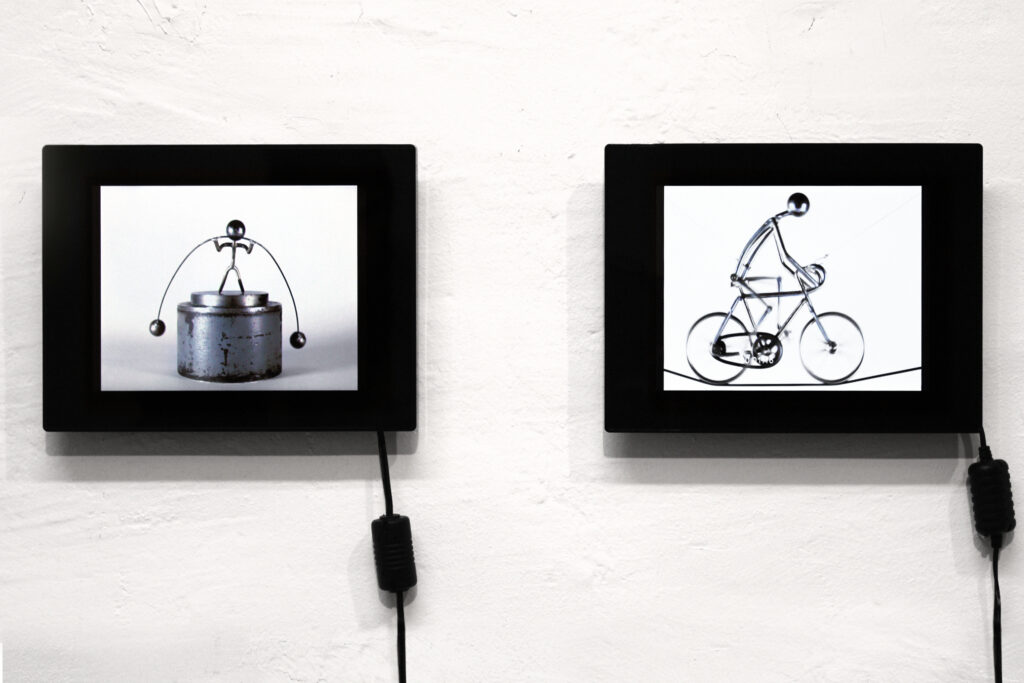
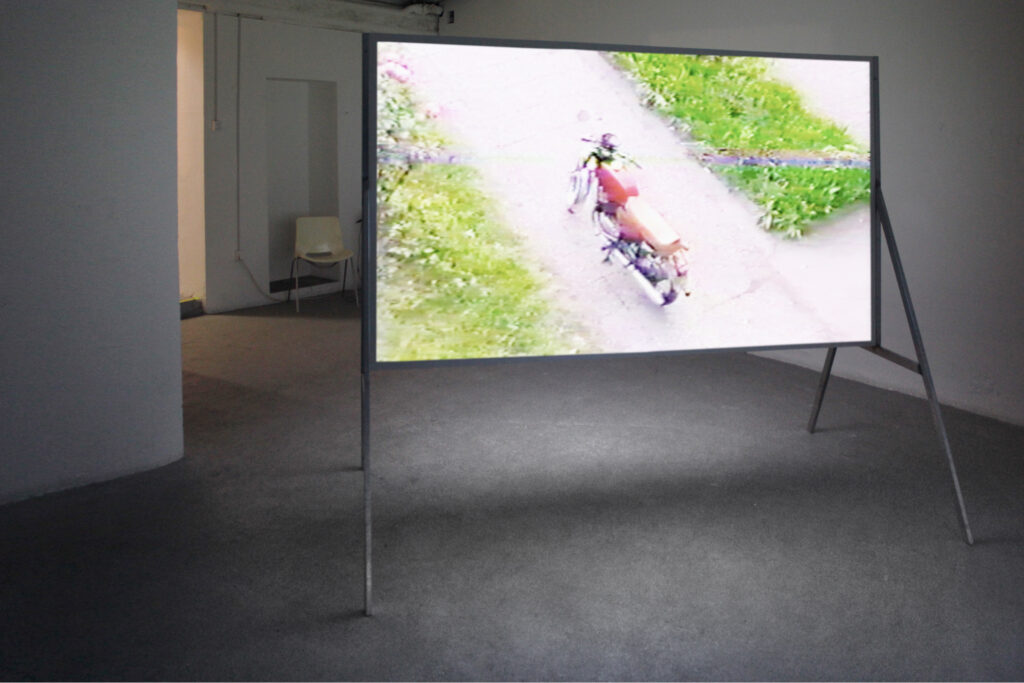
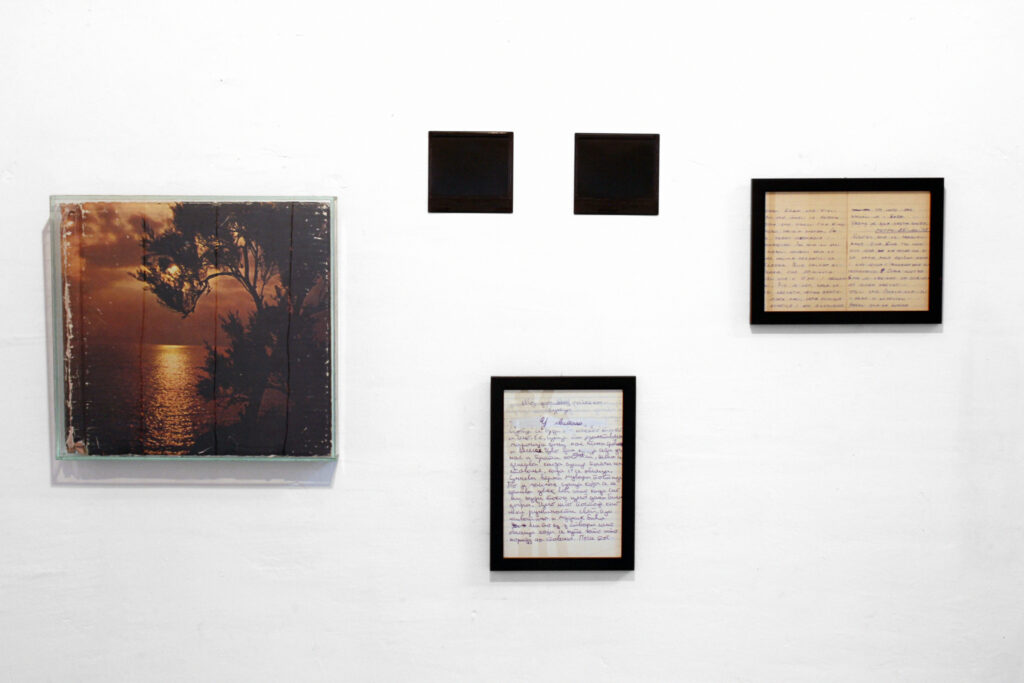
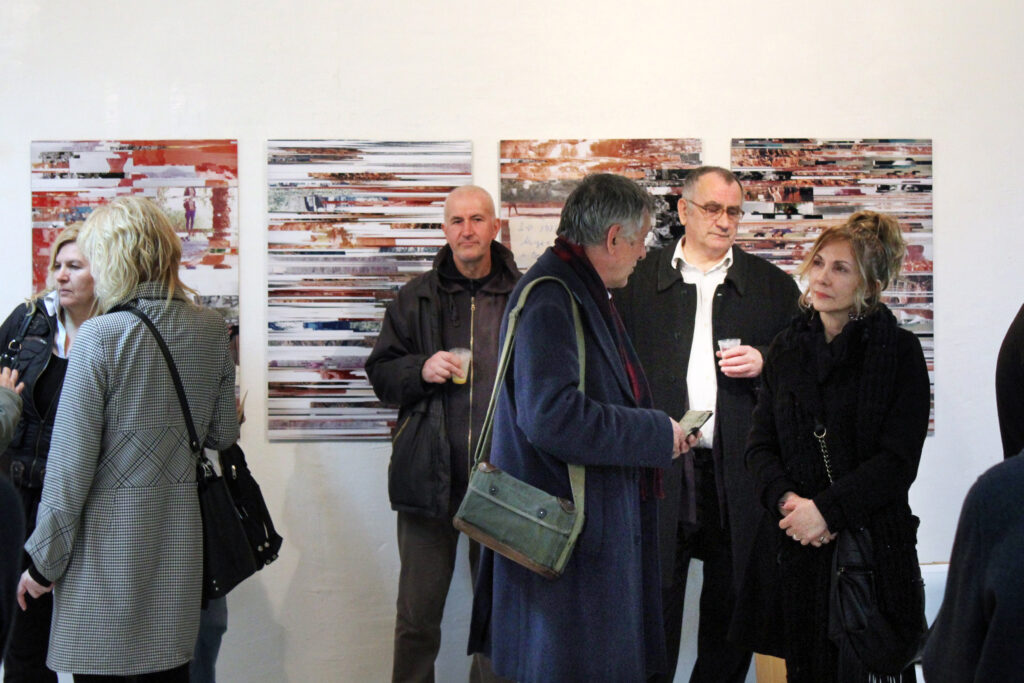
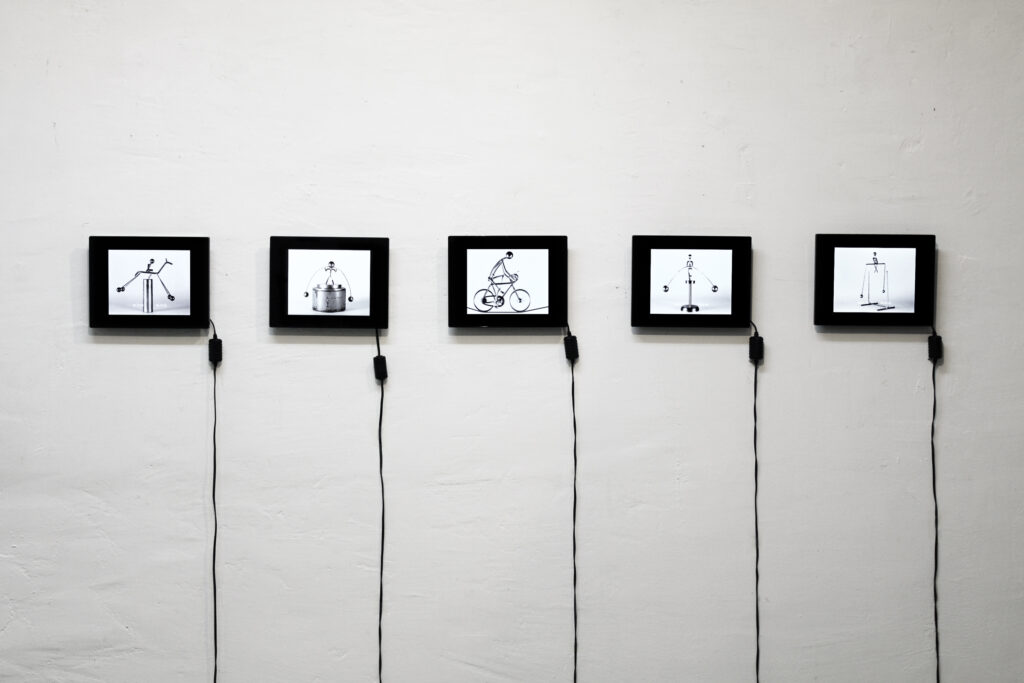
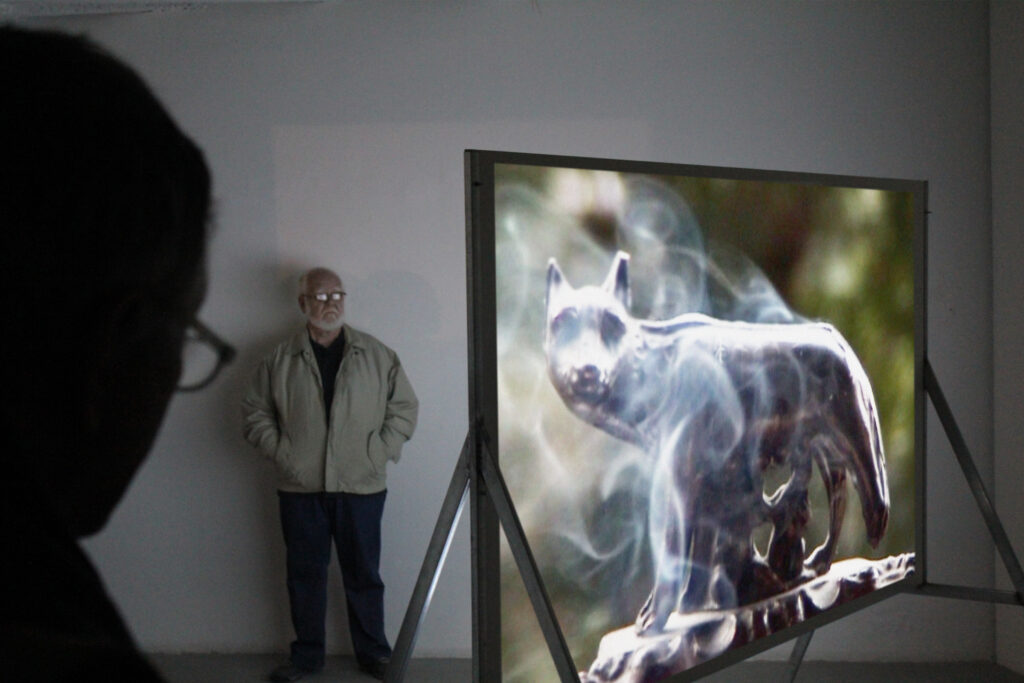
The solo exhibition If We Synchronize the Dance, We Will Survive brings together 4 experimental digital prints (70 × 100 cm each), 5 videos displayed on 5 digital screens, 1 photograph (70 × 100 cm), the video work Stitching, an old family album, framed diary notes, and 2 Polaroid photographs, displayed verso. The works come from a period in my practice in which I was intensely concerned with the relationship between family photographs and video recordings, memory, the past, and our present relationship to these archival images.
The works examine the extent to which images from family archives participate in the reconstruction and transformation of memory. To what extent do we actually remember past events, and to what extent do we remember the photographs and video recordings through which those events have been preserved and repeatedly encountered? The image does not merely document the past; through its persistence, repetition, and recontextualization, it can become an active agent in shaping how the past is remembered in the present.
Particularly influential in this exploration were Roland Barthes’s Camera Lucida, Vilém Flusser’s Towards a Philosophy of Photography, and François Soulages’s Photographic Philosophy. These theoretical perspectives provided a framework for considering photography not simply as a medium of preservation, but as a complex structure through which memory, time, perception, and personal history are continuously negotiated.
The exhibition also considers whether an active investigation of one’s own past can contribute to confronting unresolved experiences in the present. Within this process, images occupy a particularly significant position: they are not passive traces of what has been, but active agents that can reactivate, reshape, and mobilize memory. The family archive thus becomes not only a repository of personal history, but a space in which the past is continually reconstructed from the position of the present.